Friday, August 13, 2021

Asperula


Asperula Growing and Care Guide

Common Names: Woodruff, Squinancywort. Woodruff: Sweet; Common; Blue; Mountain; Alpine; Prickly; Pink.
Family: Rubiaceae.
Life Cycle: Hardy annual. Hardy perennial.
Height: 4 to 12 inches (10 to 20 cm).
Native: Europe.

Growing Region: Zones 3 to 9.
Flowers: Annuals: mid-summer. Perennials: late spring.
Flower Details: White, pink, blue. Fragrant. Tiny.
Foliage: Lanceolate. Whorls. Evergreen. Herbaceous.

Sow Outdoors: Surface. Annuals: spring. Perennials: spring and early summer. Spacing 3 to 9 inches (7 to 22cm).
Sow Indoors: Use fresh seed. Sow in a container, wrap in a plastic bag and place in the fridge for two weeks. Remove then germinate in the light. Germination time: three to seven weeks. Temperature 50°F (10°C). Transplant outdoors following the last frost.

Requirements: Best results in full sunlight, but can grow in partial shade. Mulch with leaf mold. Soil pH 4.5 to 5.5. Humus rich, moist soils. Propagate perennials by stem cuttings or by division in spring or autumn.
Family: Rubiaceae.
Miscellaneous: If using for cooking them remove leaves before flowering and allow to dry.

How to Grow Asperula

If growing annual varieties of Asperula outdoors, it is best to pre-chill the seeds about ten weeks before sowing out in the spring. Perennial varieties can be planted out in the spring beginning of summer.

Woodruff typically takes about 3 to 6 weeks to germinate. Seeds should be sown in pots, then wrapped in a plastic bag to protect from light; the tray should then be refrigerated for about two weeks.

Following this imbibing process, the tray should be placed in light at a temperature of ten degrees Celsius.

Seedlings should then be transplanted after the last frost of winter or spring, smaller species of Asperula should be spaced at about 10 cm whereas larger Asperula varieties should be planted about 20 cm apart.

Ideally they should be planted into a soil which is acidic in nature (pH 4.5 to 5.5); the soil should be moist and humus rich.

Caring for Asperula

The Asperula plant is pretty easy to look after; if you plan to use the leaves for cooking, then the leaves should be harvested before flowering has occurred.


It is best to grow annuals from seeds, but perennial varieties can be divided in the spring or autumn to create more plants.

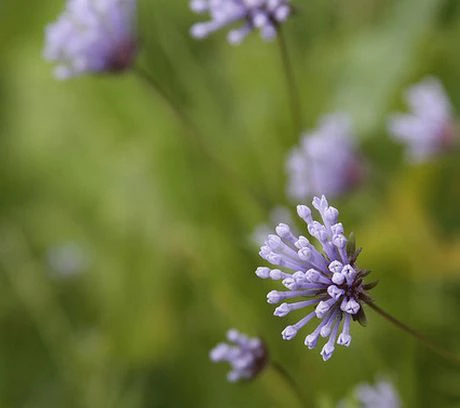
August Flowers


Sow the seeds of the following winter flowers:
Asperula

Aster

Dahlia

Daisy

Dianthus

Foxgloves

Hollyhocks

Hypericum

Marigold

Pansy

Petunia

Phlox

Poppy

Ranunculus (Seeds & bulbs)

Salvia

Sweet pea
Verbena
Wall flowers

Sweet William

Telcomaria


Vegetables seeds for the winter crop should be sown as given below:
Brinjal

Cabbage

Capsicum

Cauliflower

Onions

Radish

Lettuce

Tomato


Asperula


Thursday, September 20, 2012

Giget #0

This painting was supposed to be a part of WetCanvas.com WDE. I should've known hair are damn difficult to draw leave alone painting them. I plan to complete this with charcoal and pastels some other time. The proportions don't seem to be right either :/


#2

I can still work a bit on this but as usual I am bored. I adjusted the exposure on Windows Photo editor. I don't know why my photos are not coming so bright. Need to find out whether my Canon Photoshot is the problem or do I need to scan these images.
Happy with this in any case. It can be a watercolour or acrylic work in the future.

#1


Start Simple.
First day was bad sorta. I was not able to draw shoes ! I think I'm too busy drawing faces that I can't figure the rest. Will need more practice on 'the rest'.


Wednesday, September 19, 2012

The Year of 365 sketches

I am going to do 365 sketches in the next 365 days. I might cheat by doing more than 1 on some days to catch up with the days when I might not be able to do any. :)

Sunday, June 3, 2012

Its a Woman :|

Random sketch. I swear she looks more feminine and better. The mobile phone doesn't do justice :p
Btw, as usual got bored by the time i had to do the finer details.