
| Botanical Name | Symphyotrichum |
| Common Names | Asters, New England asters, frost flowers |
| Plant type | Herbaceous perennial |
| Mature Size | 1–6 ft. tall, 1–4 ft. wide (varies by type) |
| Sun Exposure | Full sun |
| Soil Type | Loamy, well-drained |
| Soil pH | Neutral to acidic |
| Bloom time | Summer, fall |
| Flower Color | Purple, pink, blue, white |
| Hardiness Zones | 3–8 (USDA) |
| Native Area | North America |
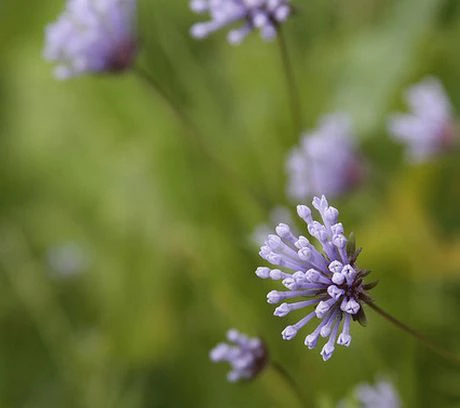
If growing annual varieties of Asperula outdoors, it is best to pre-chill the seeds about ten weeks before sowing out in the spring. Perennial varieties can be planted out in the spring beginning of summer.
Woodruff typically takes about 3 to 6 weeks to germinate. Seeds should be sown in pots, then wrapped in a plastic bag to protect from light; the tray should then be refrigerated for about two weeks.
Following this imbibing process, the tray should be placed in light at a temperature of ten degrees Celsius.
Seedlings should then be transplanted after the last frost of winter or spring, smaller species of Asperula should be spaced at about 10 cm whereas larger Asperula varieties should be planted about 20 cm apart.
Ideally they should be planted into a soil which is acidic in nature (pH 4.5 to 5.5); the soil should be moist and humus rich.
The Asperula plant is pretty easy to look after; if you plan to use the leaves for cooking, then the leaves should be harvested before flowering has occurred.

It is best to grow annuals from seeds, but perennial varieties can be divided in the spring or autumn to create more plants.
Asperula | Aster | Dahlia | Daisy |
Dianthus | Foxgloves | Hollyhocks | Hypericum |
Marigold | Pansy | Petunia | Phlox |
Poppy | Ranunculus (Seeds & bulbs) | Salvia | Sweet pea |
Verbena | Wall flowers | Sweet William | Telcomaria |
Brinjal | Cabbage | Capsicum | Cauliflower |
Onions | Radish | Lettuce | Tomato |

.JPG)